Choosing an expedition cruise
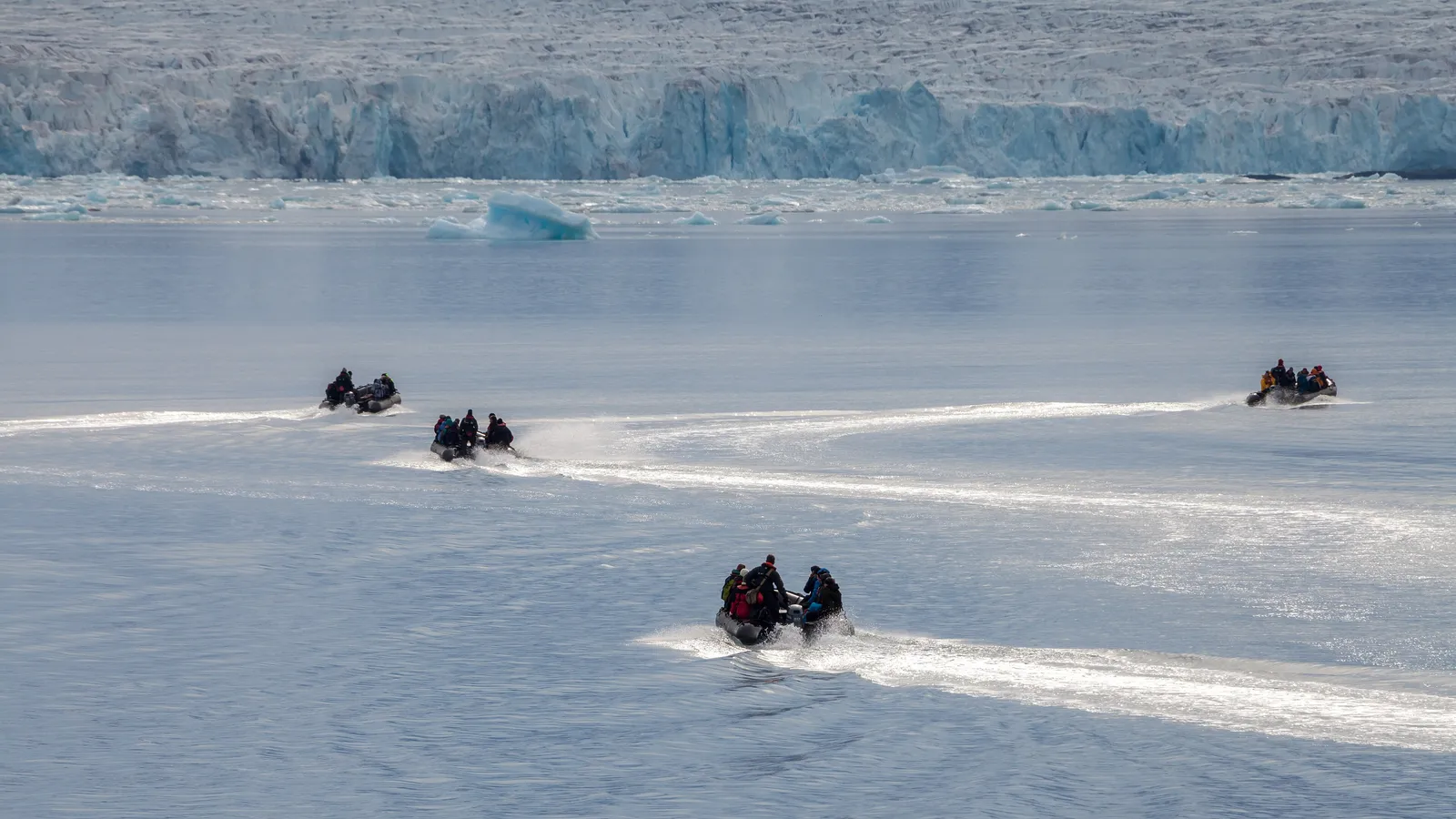
Photo: Andreas Weith, CC BY-SA 4.0

Most of Svalbard is protected: 65.2% of the land and 84.7% of the sea within the territorial border. There are no roads between the settlements, so to see the fjords, glaciers and coastline beyond them, many visitors go by ship. But the choice of ship matters more here than almost anywhere else, because the rules decide where a ship can go and where its passengers can step ashore.
This guide covers those rules, the questions to ask before you book, and what’s expected of you ashore.
The rules that shape every cruise
New environmental regulations came into force on 1 January 2025. These are the parts that matter when you choose a cruise:
- No more than 200 passengers in protected areas. Ships in Svalbard’s protected areas may carry at most 200 passengers. A larger ship can still call at Longyearbyen, but it can’t take you into the national parks and nature reserves.
- Landings only at designated sites. In the protected areas, tourist landings are allowed only at 43 designated landing sites, shown on maps in the regulations.
- Distance to wildlife. Keep at least 300 metres from polar bears, and 500 metres from 1 March to 30 June. Boats must stay at least 150 metres from walrus haul-out sites and slow to 5 knots within 300 metres.
- Bird sanctuaries. In Svalbard’s bird sanctuaries, all traffic is prohibited from 15 May to 15 August, on land and within 300 metres of the shore.
- No drones in protected areas.
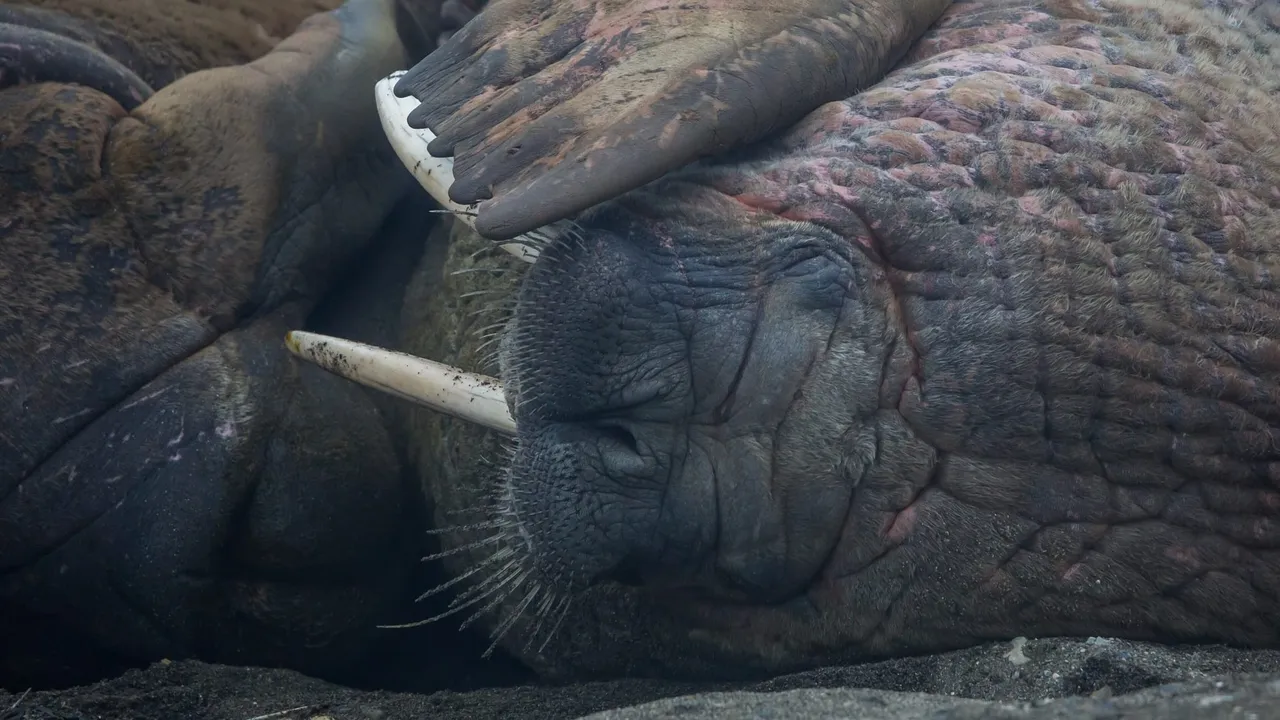
Photo: Andreas Weith, CC BY-SA 4.0
_resting_in_a_crowd_on_Wahlberg%C3%B8ya,_Svalbard_(2).jpg)
Two other rules are worth knowing:
- Cleaner fuel. Heavy fuel oil has been banned in all of Svalbard’s territorial waters since 1 January 2022.
- Approved guides. From 1 July 2027, tourism operators must use approved Svalbard guides when they travel or stay outside inhabited areas. The field safety regulations behind this took effect on 1 January 2026.
Big ship, small ship or yacht
Svalbard sees a lot of ships. In 2024, Longyearbyen had 506 cruise port calls and 67,000 passengers, including both expedition and conventional cruises. The options fall roughly into three groups:
- Conventional cruise ships with more than 200 passengers. They call at Longyearbyen, but the 200-passenger limit keeps them out of the protected areas.
- Expedition cruises that land passengers by small boat. Hurtigruten Svalbard’s mini-cruise from Longyearbyen is one example. It runs 3 or 4 nights along the west coast with guided landings, from 14 May to 7 September 2026, priced from NOK 29,587 per person. Check the passenger number for any ship you consider (see below).
- Sailing yachts and small boats. Multi-day sailing trips, such as 4 days on a 65-foot yacht, combine life on board with hikes ashore.
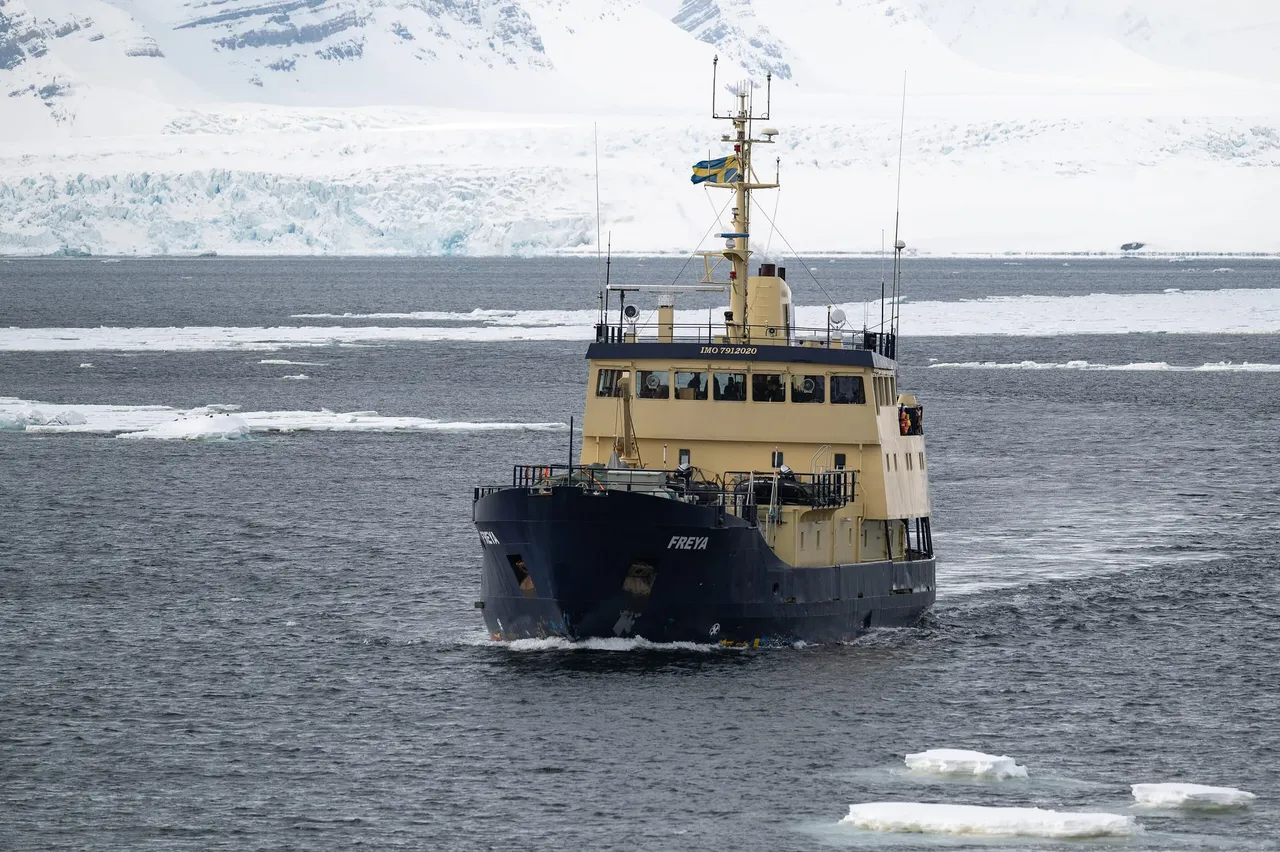
Photo: Gordon Leggett, CC BY-SA 4.0

Whatever you choose, treat the itinerary as a plan, not a promise. Weather and ice can change the route and programme at short notice.
Questions to ask before you book
- Is the operator a member of AECO? AECO is an international member organisation for Arctic expedition cruise operators, committed to responsible tourism and common guidelines. Its member directory is public. Full members are the companies that actually operate expedition vessels and yachts.
- How many passengers are on board? Above 200 means no protected areas at all.
- How many landings are planned, and where? In the protected areas, they must be at the designated sites.
- Who are the guides? From July 2027 they must be approved Svalbard guides, so it’s fair to ask already now.
- What happens if ice or weather changes the plan? Ask how the operator handles it, and what you can expect if landings are cancelled.
Polar bears: set your expectations
Many people book a cruise hoping to see a polar bear. No tours seek out polar bears or guarantee a sighting, and the distance rules apply to ships and landings too. A good operator will talk about the whole Arctic experience: glaciers, birds, walrus, reindeer and the landscape. Treat any bear as a bonus, not the point of the trip.
How to behave ashore
On a landing, you’re expected to:
- Stay with your group and the guides who carry polar bear protection. Never wander off.
- Never approach a polar bear. If you see one, stay calm and tell your guide at once.
- Take nothing and leave nothing. Don’t pick flowers, avoid stepping on plants, don’t touch or move cultural remains, and leave stones, bones and antlers where they are. Take all litter back, including cigarette butts.
- Don’t touch animals, alive or dead.
You can also help keep non-native species out of the Arctic:
- Before you leave home, examine and clean your clothing, footwear and bags, including pockets, seams, Velcro and boot soles, so that no seeds or soil come with you.
- During the trip, follow the expedition’s biosecurity procedures. Clean off any organic matter before you leave a site, and use the disinfectant wash between landings.
Before and after the cruise
Many voyages, including the Hurtigruten mini-cruise, start in Longyearbyen, so you fly in first; see Getting there. Allow a night in Longyearbyen before departure, so a delayed flight doesn’t cost you the cruise.
Sources
- https://cruise-handbook.npolar.no/en/svalbard/protected-areas.html
- https://www.regjeringen.no/en/aktuelt/endringer-i-miljoregelverket-pa-svalbard/id3024960/
- https://www.sysselmesteren.no/en/news/2024/12/new-environmental-regulations-enters-into-force-on-1-january/
- https://www.regjeringen.no/no/aktuelt/endringer-i-lover-og-forskrifter-fra-1.-januar-2022-fra-klima-og-miljodepartementet/id2892885/
- https://www.regjeringen.no/en/whats-new/new-regulation-on-field-safety-in-svalbard-guides-must-be-approved/id3108089
- https://www.sysselmesteren.no/en/news/2025/11/new-regulations-on-field-safety-in-svalbard-from-1-january/
- https://en.visitsvalbard.com/visitor-information/Svalbard-Cruise-Forum-en
- https://en.visitsvalbard.com/things-to-do/activities/expeditions
- https://en.visitsvalbard.com/activity-planner/svalbard-adventure-mini-cruise-hurtigruten-svalbard-p7552293
- https://en.visitsvalbard.com/visitor-information/faq
- https://aeco.no/about-aeco/
- https://aeco.no/membership/member-directory/
- https://aeco.no/guideline/guidelines-for-guests/visitor-guidelines/
- https://aeco.no/guideline/guidelines-for-guests/biosecurity-guidelines/