Svalbard and the High North: why the big powers care
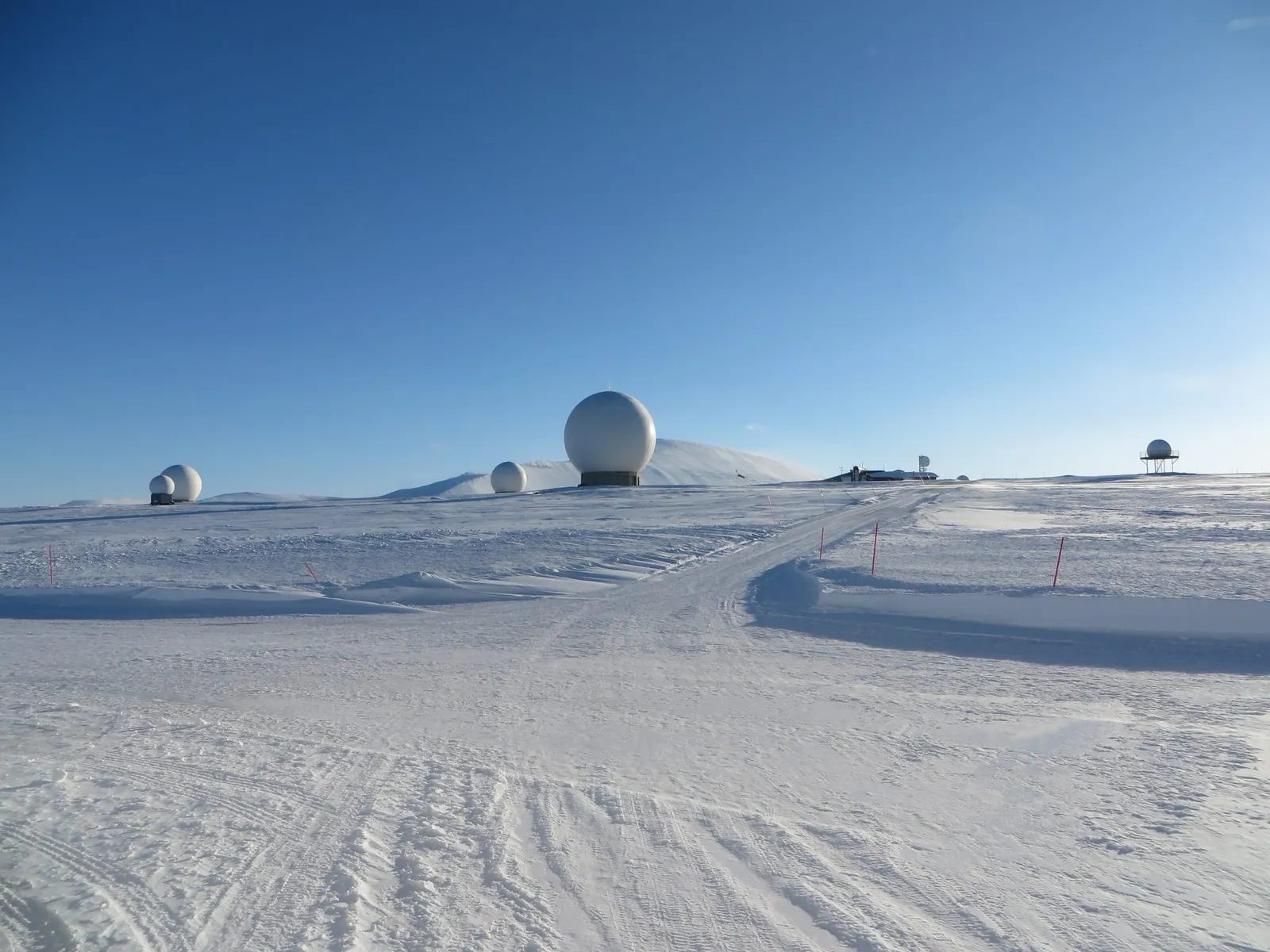
Photo: Bernt Rostad, CC BY 2.0

Most visitors come to Svalbard for polar bears and glaciers. But look at a map centred on the North Pole and you see why governments pay attention too. Svalbard sits between mainland Norway and the pole, next to the sea lanes that link Russia’s Arctic coast with the North Atlantic. Here is why such a small place gets so much attention.
Russia: the route to the Atlantic
Russia’s Northern Fleet is based on the Kola Peninsula, close to the Norwegian border. Norway’s Intelligence Service says the Russian Arctic remains important for Russia’s military and economic ambitions and for its deterrence, and that the fleet is getting new, advanced weapons that will strengthen its ability to strike targets across Europe.
The way from the Barents Sea to the Atlantic runs through the waters between North Cape on the mainland, Bjørnøya (Bear Island) and Spitsbergen. Military planners call them the Bear Gap. It’s where the shallow Barents Sea meets the much deeper Norwegian Sea, and in a conflict, control of these waters would matter for protecting Russia’s missile submarines.
Russia also has a foothold on the islands themselves: the mining town of Barentsburg, there by right under the Svalbard Treaty.
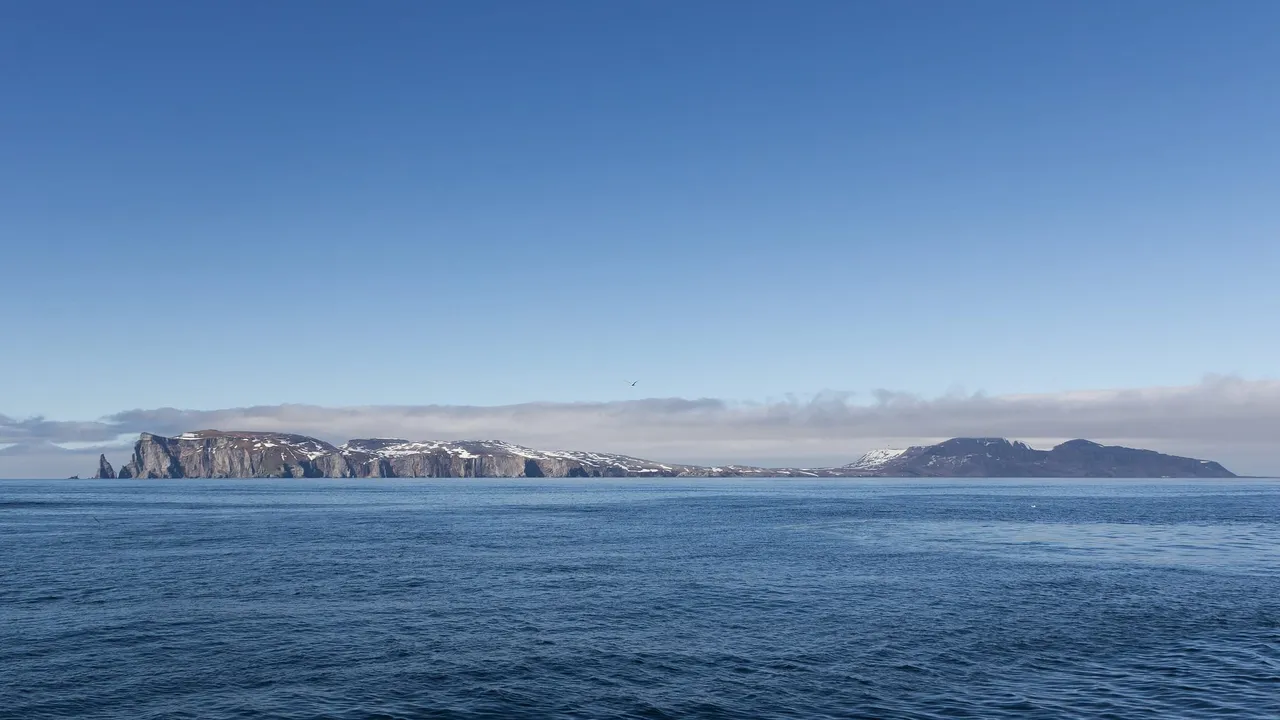
Photo: Vetle Nilsen Malmberg, CC BY-SA 4.0

Norway and NATO
For Norway, NATO is the cornerstone of its security, and the government stresses that the alliance’s area reaches all the way to the North Pole. Since Finland joined in April 2023 and Sweden in March 2024, every Nordic country is a member.
Svalbard itself has a special status, though. Under the Svalbard Treaty, no naval base or fortifications may be built there, and the islands may not be used for warlike purposes. The treaty doesn’t stop Norway from defending its territory, but it does mean you won’t find a military base in Longyearbyen.
Norway’s latest Svalbard white paper, from 2024, says the security situation is more serious and less predictable than before. Its answer is firm sovereignty, peace and stability, and a strong Norwegian community in Longyearbyen, with more state control over important infrastructure and over research.
China: a “near-Arctic state”
China has no Arctic territory, but in its 2018 Arctic policy it described itself as a near-Arctic state and an important stakeholder in the region. The same paper launched the idea of a Polar Silk Road: new shipping routes across the Arctic as the ice retreats, including one running between Svalbard and Greenland.
China has had a research station in Svalbard since 2004, the Yellow River Station in Ny-Ålesund. It was the eighth country to set up there. Norway now keeps a closer eye on research: the 2024 white paper sets up a Svalbard research office to strengthen national control, and says new research stations outside the established areas should not be expected.
The quiet infrastructure
Two less obvious things make Svalbard valuable to everyone:
- Satellites. On the plateau above Longyearbyen, the Svalbard Satellite Station (SvalSat) has more than 150 antennas. This far north it can reach satellites in sun-synchronous polar orbits on every single pass around the Earth, which makes it an important station for global weather data.
- Undersea cables. Two fibre cables, about 1,400 km long, link Svalbard with the mainland and carry the satellite data south. In January 2022 one of them was damaged. Police found it was caused by external influences, but found nothing to show it was deliberate, and it was fully repaired in 2023.
What it means for you
Very little, day to day. Svalbard is calm, and you’ll see scientists, miners’ history and tourists rather than soldiers. Cooperation across the region, for example on fisheries, has carried on through difficult times. But it helps explain some things you’ll notice: Norway’s firm rules on research and on who controls what, the satellite domes on the plateau, and why a tiny town at 78° north turns up in the news more often than you’d expect.
Sources
- https://www.regjeringen.no/en/documents/arctic_policy/id2830120/
- https://www.regjeringen.no/en/documents/meld.-st.-26-20232024/id3041130/?ch=1
- https://www.regjeringen.no/en/documents/meld.-st.-26-20232024/id3041130/?ch=2
- https://en.highnorthnews.com/politics/norwegian-intelligences-threat-assessment-the-same-dynamic-is-evident-in-the-arctic/1103065
- https://www.etterretningstjenesten.no/publikasjoner/focus
- https://www.thebarentsobserver.com/security/northern-fleet-with-missiles-warnings-north-and-south-of-bear-island/163270
- https://www.nato.int/cps/en/natohq/news_213448.htm
- https://www.nato.int/en/what-we-do/partnerships-and-cooperation/enlargement-and-article-10
- https://www.xinhuanet.com/english/2018-01/26/c_136926357.htm
- https://www.kas.de/en/web/auslandsinformationen/artikel/detail/-/content/der-selbsternannte-fast-arktisstaat
- https://news.cgtn.com/news/2024-07-28/Chart-of-the-Day-20-years-of-China-s-Arctic-Yellow-River-Station-1vB0AhkBdxm/p.html
- https://www.ksat.no/news/news-archive/2023/spectacular-drone-footage-from-svalsat-the-ksat-svalbard-ground-station/
- https://spacenorway.com/infrastructure/subsea-fibre-cables/fibre-optic-cables/
- https://www.datacenterdynamics.com/en/news/svalbard-cable-damage-caused-by-external-influences-but-probably-not-intentional-say-police/
- https://snl.no/Svalbardtraktaten