Glaciers everywhere, but don't drink the tap water
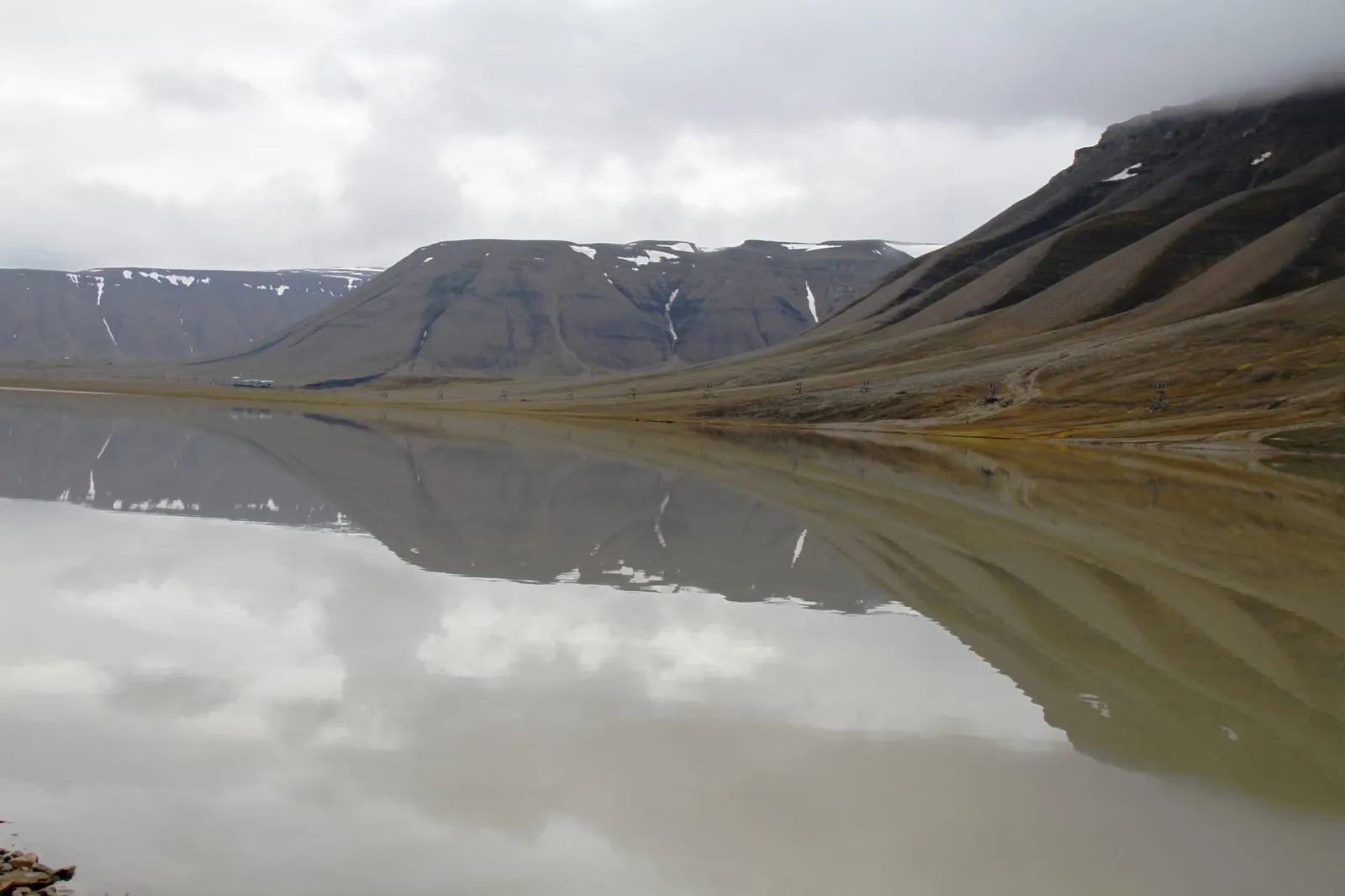
Photo: Bjoertvedt, CC BY-SA 3.0 no

You’re surrounded by glaciers, snowfields and meltwater rivers. So it comes as a surprise that the advice in Longyearbyen is: don’t drink the tap water. Here’s the story, and what it means for your trip.
First, the important bit
- A glass of tap water won’t hurt you. The health authorities say there is no acute health risk from drinking smaller amounts over a short period. The concern is drinking it regularly for a long time, a year or more.
- Showering and washing are fine.
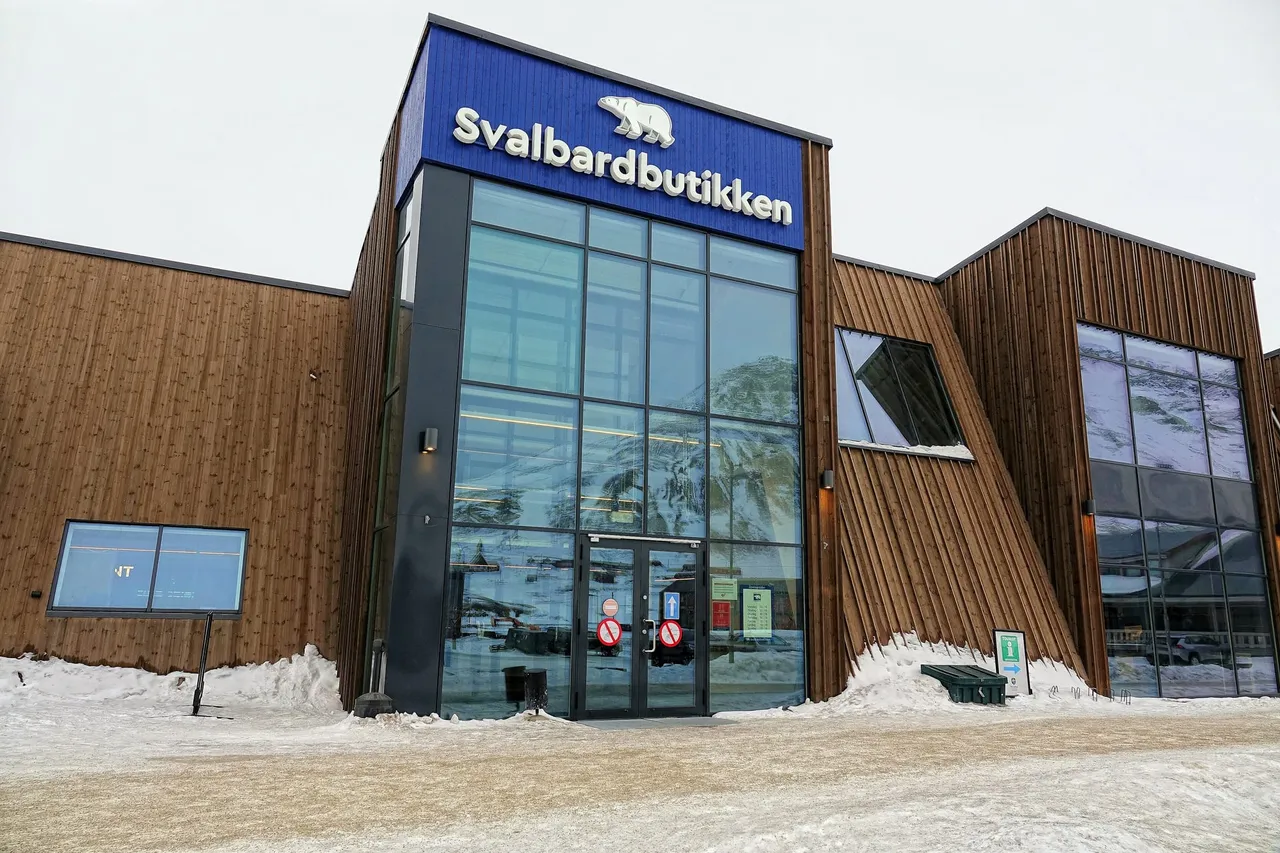
- Free drinking water is available at Svalbardbutikken, the Coop store in the town centre. Bring your own bottle or container and fill it up.
- If you have a sensitive stomach, or are travelling with small children or older people, go easy on the tap water: the sulfate in it can cause loose stomachs and diarrhoea. Babies under 12 months should not have tap water at all.
Where the water comes from
Longyearbyen gets its water from Isdammen, a 2.5 km long dammed lake in Adventdalen, just outside town. It is the only source of drinking water for the whole settlement.
What went wrong
The trouble started with manganese, a natural element that dissolves in water when there’s little oxygen around. From September 2024 the levels were too high for babies, and families with infants were given bottled water. Then the levels rose further: by September 2025 some samples reached 1,000 µg/l, against a Norwegian limit of 50 µg/l. The local council advised everyone to stop drinking from the tap, and set up free drinking water at the store.
By May 2026 manganese had fallen to around 200 µg/l, still above the limit but no longer a health concern. Unfortunately, two other problems had taken its place: sulfate at close to 1,000 mg/l and nickel at up to 30 µg/l, above the limit of 20. The water can taste and smell unpleasant, and in August 2026 the advice was still to fetch drinking water from the store rather than the tap.
Why it’s happening isn’t fully known. Researchers from SINTEF, UNIS and the University of Bergen are studying the reservoir until 2027, including whether thawing permafrost is changing how water reaches it.

Tips for your stay
- Pack a refillable bottle. It’s the easiest way to use the free water at the store, and useful on every trip out of town.
- Ask at your hotel how they handle drinking water.
- Don’t panic about a sip. Brushing your teeth or a cup of coffee is nothing to worry about.
- Check for updates. The situation changes, and Longyearbyen lokalstyre, the local council, posts the latest advice on its website.
Sources
- https://www.nrk.no/tromsogfinnmark/framleis-ikkje-trygt-a-drikke-vatn-pa-svalbard-1.17979310
- https://www.lokalstyre.no/engelsk/longyearbyen-local-council/news-archive/news-front-page/2026-05-26-changes-in-water-quality
- https://www.lokalstyre.no/infoboks-forside/2026-01-05-viktig-info-om-drikkevann---anbefaling-om-ikke-a-drikke-springvann
- https://www.spitsbergen-svalbard.com/2025/09/28/high-manganese-levels-longyearbyen-drinking-water-currently-not-suitable-for-long-term-consumption.html
- https://www.spitsbergen-svalbard.com/2025/03/03/longyearbyens-drinking-water-legionella-and-manganese.html
- https://norwegianscitechnews.com/2026/03/securing-the-water-supply-in-longyearbyen-is-critical/
- https://en.visitsvalbard.com/things-to-do/shopping