Vei 100, Vei 232: the town where roads have numbers
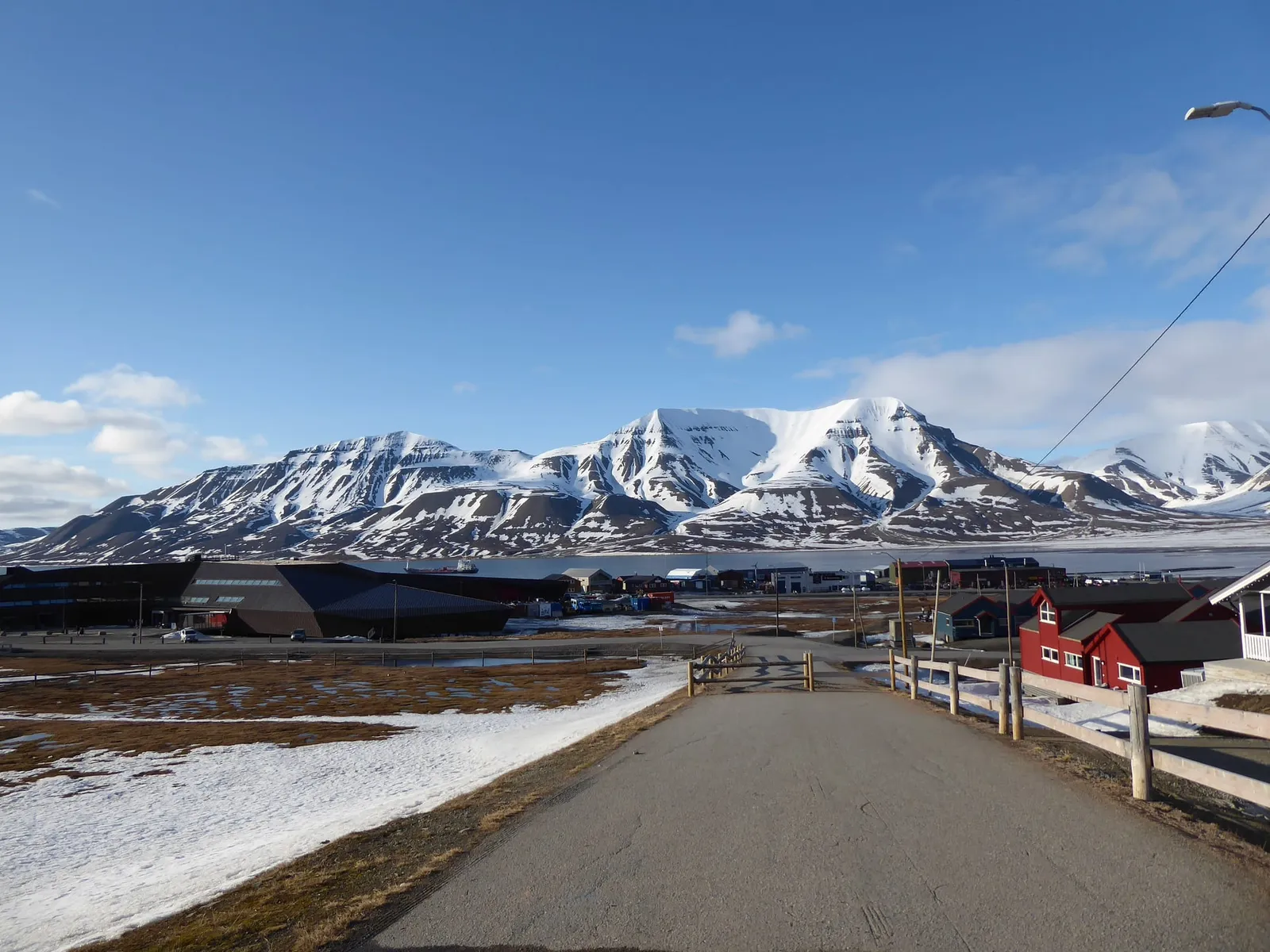
Photo: R. Henrik Nilsson, CC BY 4.0

Look up an address in Longyearbyen and you’ll find something like Vei 225-2 or Vei 509.2. Vei simply means “road”. In most towns, roads are named after kings, poets or birch trees. In Longyearbyen, they mostly have numbers.
Blame the mines (again)
Most road names in Longyearbyen are based on the numbering system used in the coal mines. A road is called Vei followed by a number. Main roads have numbers like Vei 500, and the side roads off them get the numbers that follow, in order along the main road: Vei 505 is a side road of Vei 500.
Houses then get a number of their own, with even numbers on the left side of the road and odd numbers on the right. Flats add a code like H0101: floor 01, flat 01. So a full address can be as short as 505 3 H0101. Delightfully efficient, slightly hard to say out loud.
Out at the cabin areas, the rules relax, and addresses get “normal” names such as Breinosfoten and Revneset.
Some addresses you might visit
| Place | Address |
|---|---|
| Svalbard Museum | Vei 231-1 |
| Nordover Art Centre & Cinema | Vei 225-2 |
| Café Huskies | Vei 509.2 |
| Spitsbergen Artists Center, in Nybyen | Vei 100.2 |
Even the punctuation varies. Locals don’t mind: they tend to give directions by landmarks instead, such as the hotel, the school or the church.
The one road with a name
There is one exception: Hilmar Rekstens vei, the only road in Longyearbyen with a real name. Hilmar Reksten was a Norwegian shipowner who became chairman of the mining company Store Norske in 1939. One historian notes that he was the only Norwegian shipowner who was personally present in Svalbard during and after the Second World War, working to get coal production going again.
He was also a controversial man who fell out with many people, and in 1962 he was removed as chairman. The road kept his name anyway.
Names that stuck anyway
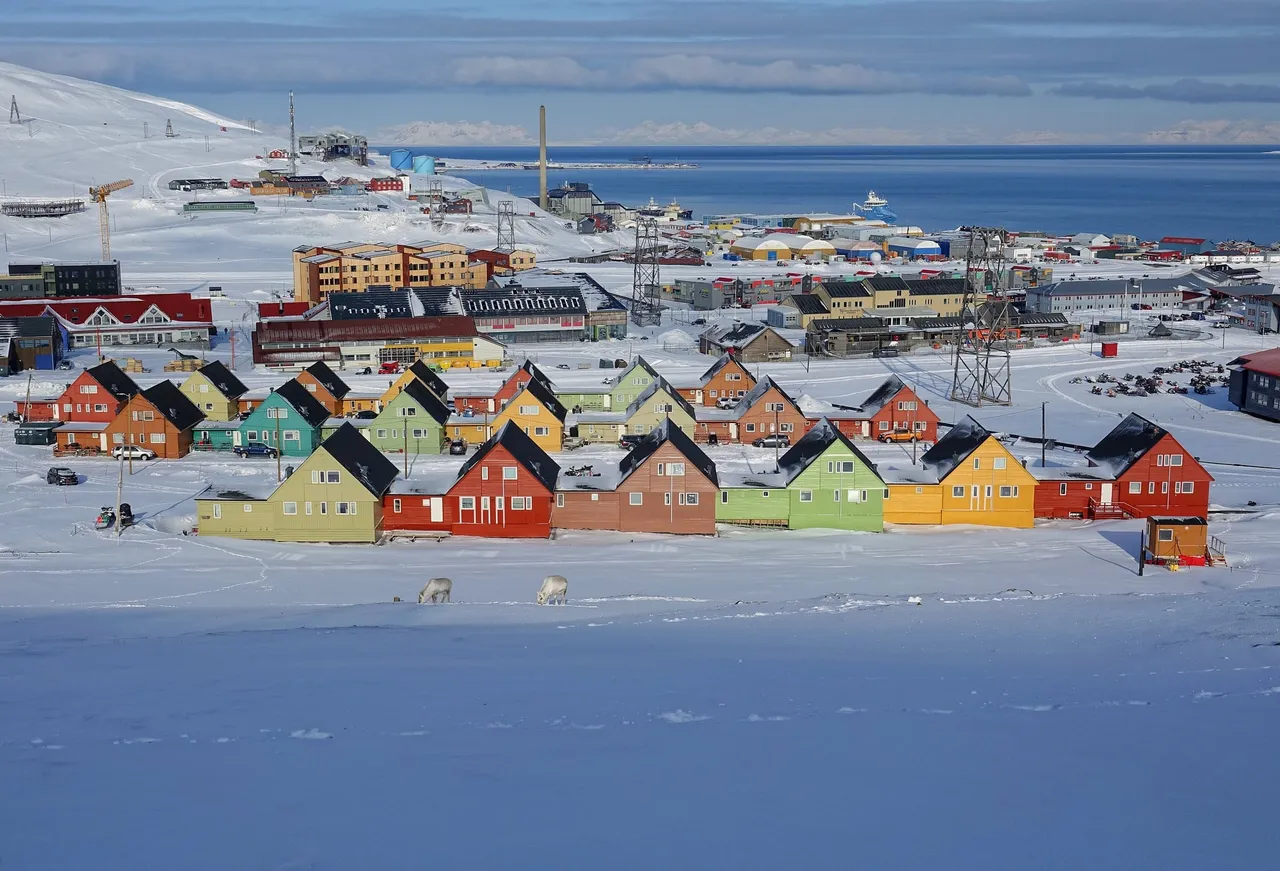
The roads may be numbered, but the neighbourhoods all have names, and some of them are wonderful:
- Nybyen, “the new town”, at the top of the valley, built in 1946–47 for the miners of Mine 2B.
- Sverdrupbyen, named after Einar Sverdrup, director of Store Norske, and built for the miners of Mine 1B.
- Skjæringa, “the cutting”, after a cut made through a mound to help horses pulling carts on the rail tracks.
- The Indian Village (Spisshusene, “the pointed houses”), built in 1976, named after its sharply pointed roofs.
- Blåmyra, “the blue marsh” (Vei 232), started in 1990: blue-painted houses, partly on marshy ground.
- Cowboy town (Vei 234), where the house fronts look like the set of a western.
- Burma Road, built in 1963 and named after the famous Second World War supply route between Burma and China.
- Milky Way, a road from 1985, named after the “iron cow” milk, made by machine from milk powder, that was delivered along it.

What it means for you
Your booking may give an address like Vei 225, and your taxi driver will know where that is. If you’re on foot, ask for the nearest landmark instead. And if anyone gives you directions along Hilmar Rekstens vei, you’ve just been given the only street name in town.
Sources
- https://www.lokalstyre.no/engelsk/longyearbyen-local-council/services/planning-construction-and-real-estate/maps-and-property-information
- https://www.bt.no/nyheter/lokalt/i/dvgyw/hilmar-rekstens-vei
- https://www.svalbardblues.com/en/about-longyearbyen/lokale-stedsnavn/
- https://en.wikipedia.org/wiki/Nybyen
- https://www.lifeinnorway.net/life-in-longyearbyen-facts/
- https://svalbardmuseum.no/en/tourist-information
- https://en.visitsvalbard.com/things-to-do/nordover-art-centre-and-cinema-p6615843
- https://en.visitsvalbard.com/things-to-do/spitsbergen-artists-center-p7966153
- https://en.visitsvalbard.com/food-and-drink/cafe-huskies-p6646663